


[ad_1]
By Jonathan Klotz
| Printed
Everybody knew who Ernest was again within the late 80s and properly into the 90s; performed by veteran actor Jim Varney, the dim-witted, accident-prone character starred in native commercials alongside the Gulf Coast earlier than turning into so common, Disney executives determined to make him the centerpiece of a function movie. Ernest Goes to Camp launched probably the most worthwhile comedy franchises in historical past, which resulted in 9 new motion pictures in 11 years, however right this moment, the movie that began all of it has been erased from historical past. The explanation why it’s locked within the Disney vault is due to Hollywood’s lengthy historical past of casting Native American characters and the way Walt Disney himself was fooled by one among his associates.
Customary 80s Summer season Camp Journey
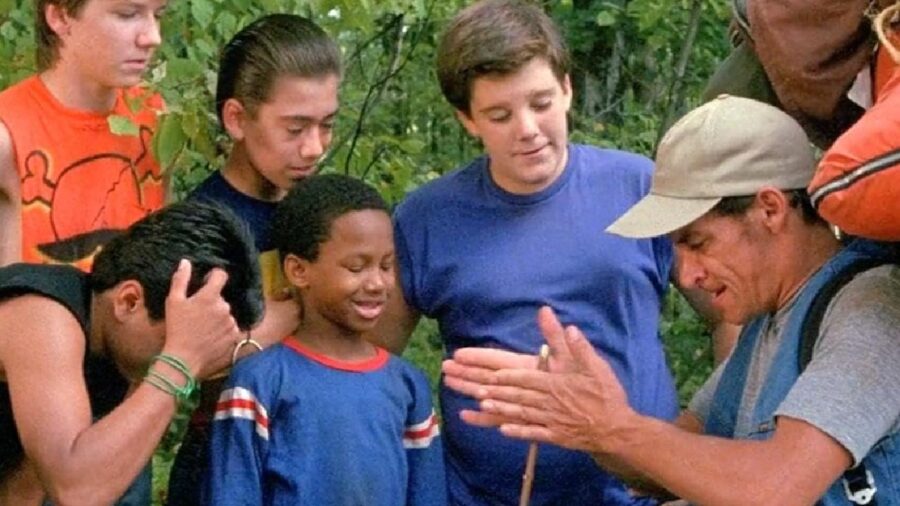
The lengthy exile of Ernest Goes to Camp has nothing to do with Jim Varney, who handed away in 2000 and was, by all accounts, an honest human being. The film is a regular 80s summer time camp movie, following a bunch of outcast youngsters referred to as the Second Chancers as they attend Kamp Kikakee, a struggling summer time camp run by Chief St. Cloud, a Plains Indian. It’s the same old outcasts vs. evil industrialist plot, as Sherman Krader needs to close down the camp and mine its assets, although it’s elevated because of Varney’s portrayal of Ernest because the camp’s upkeep man.
If an out-of-touch portrayal of Native People was the one mark in opposition to Ernest Goes to Camp, it will be streaming right this moment; in any case, Ernest Goes to Africa, is on AppleTV. The issue isn’t how the movie depicts Native People, it’s who is taking part in Chief St. Cloud that’s the issue. Iron Eyes Cody, a veteran of Hollywood Westerns going again to the Forties, performs camp proprietor Chief St. Cloud, and the controversy over him has doomed the movie to obscurity.
The Iron Eyes Cody Scandal
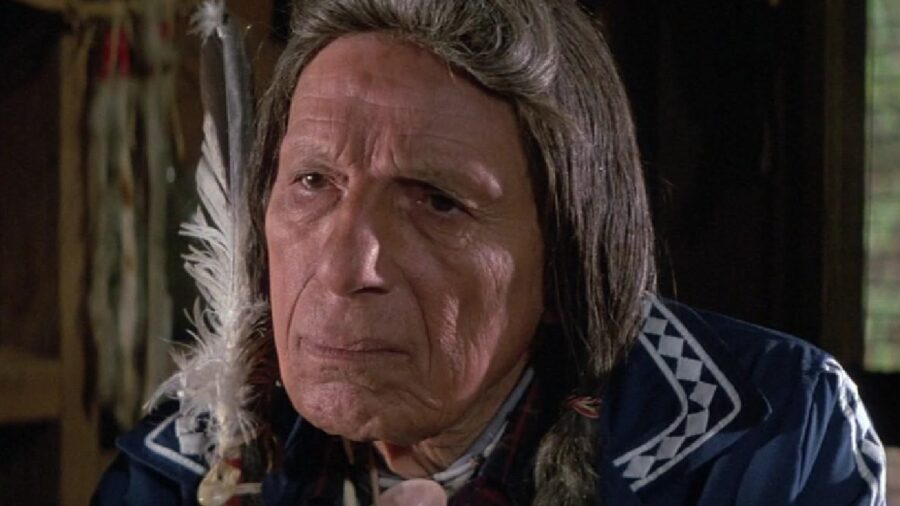
Ernest Goes to Camp was removed from the primary movie to forged Iron Eyes Cody as a Native American, and likelihood is, him from the well-known “Crying Indian” industrial about littering. An in depth good friend of Walt Disney, Iron Eyes Cody was Hollywood’s go-to for Native American roles, however in 1996, it was revealed that his actual identify was Espera Oscar de Coti, and he was Italian. This was after he spent a long time dwelling as a Native American, sporting “conventional” outfits in his day by day life, and fooling everybody, together with Disney. Espera denied this declare till he handed away in 1999, regardless of his household producing a baptismal certificates together with his actual identify.
Whereas Jim Varney’s portrayal of Ernest had diminishing returns over time, it’s unlucky that his breakout movie, one of many 80s shock hit comedies, has been locked away within the Disney vault alongside Music of the South by means of no fault of his personal. Disney produced Ernest Goes to Camp beneath the Touchstone label, and it was created by then CEO Michael Eisner and chairman Jeffrey Katzenberg, which, mixed with Walt Disney’s shut friendship with Iron Eyes Cody, made the movie a public relations nightmare. For a quick second, the movie was out there on DVD and Blu-Ray, however these print runs ended over a decade in the past, making it exhausting to search out right this moment.
The Significance Of Being Ernest

Although Ernest Goes to Camp isn’t streaming, regardless of the temporary second final 12 months when it was on Hulu earlier than a Disney government possible realized what that they had carried out, different Jim Varney classics can be found. In truth, followers of the character will argue that the primary movie is among the worst since Ernest is extra regular and never fairly the dwelling cartoon Varney would play him as later, notably in Ernest Goes to Jail, which some suppose is the most effective of the collection. Hollywood has given up on comedies, and we’ll by no means get one other franchise like Ernest, although Larry the Cable Man made an try at it, however that doesn’t imply it ought to bury the previous, regardless of how fashionable audiences could view it.
[ad_2]
Source link
